Beach tennis gear reviews that start with the way you actually play on sand.
I test paddles, balls, grips, bags, and full setups by the situations that decide beach matches: heavy serves in crosswind, first-volley confidence at the net, controlled smashes under pressure, and whether a paddle still feels crisp deep in a third set.
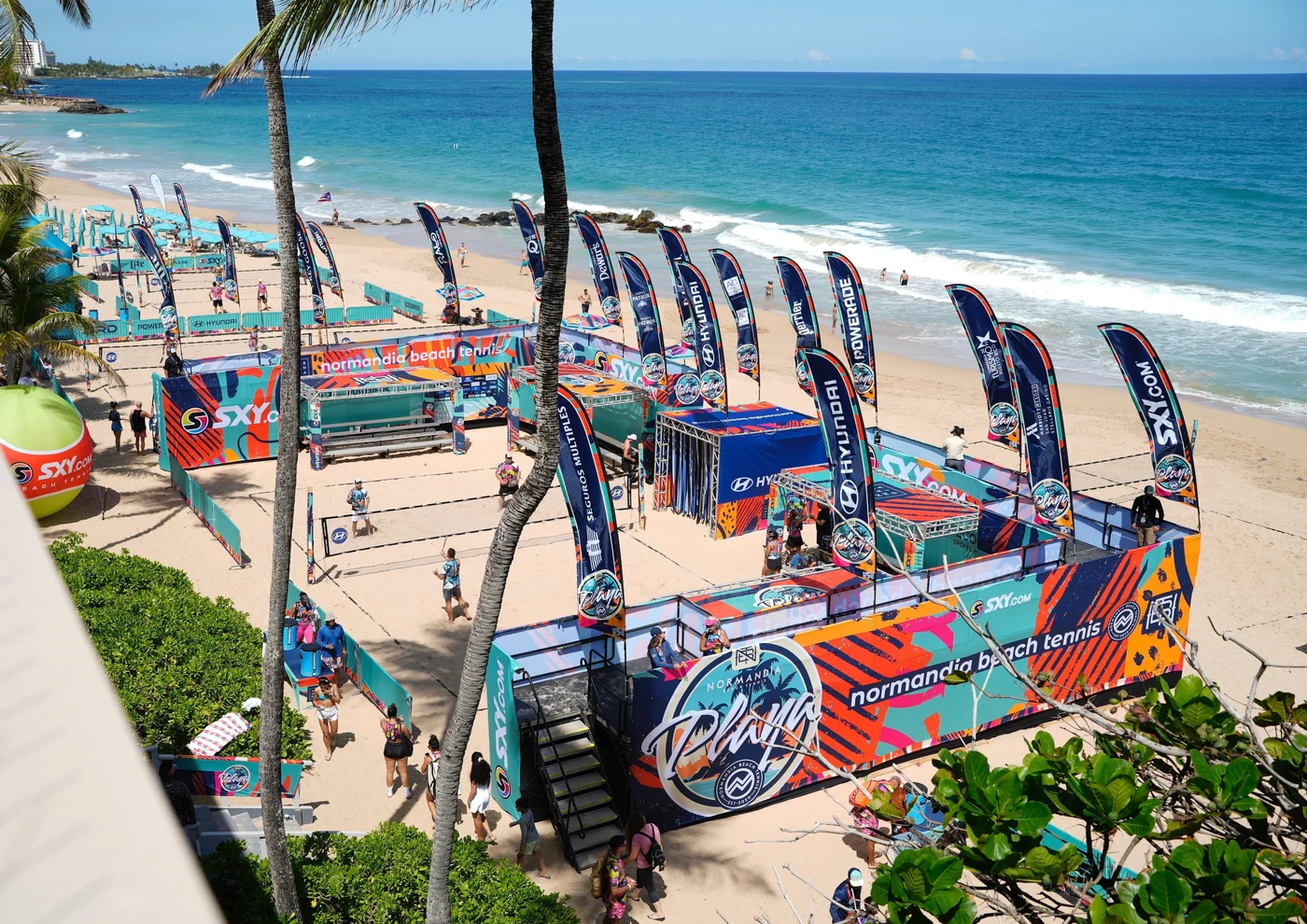 Testing days: every paddle gets match play in wind, heat, and long rallies before it's rated.
Popular beach tennis buying guides
Start with the question closest to your game, then use Denys's tables and testing notes to narrow the shortlist before you buy.
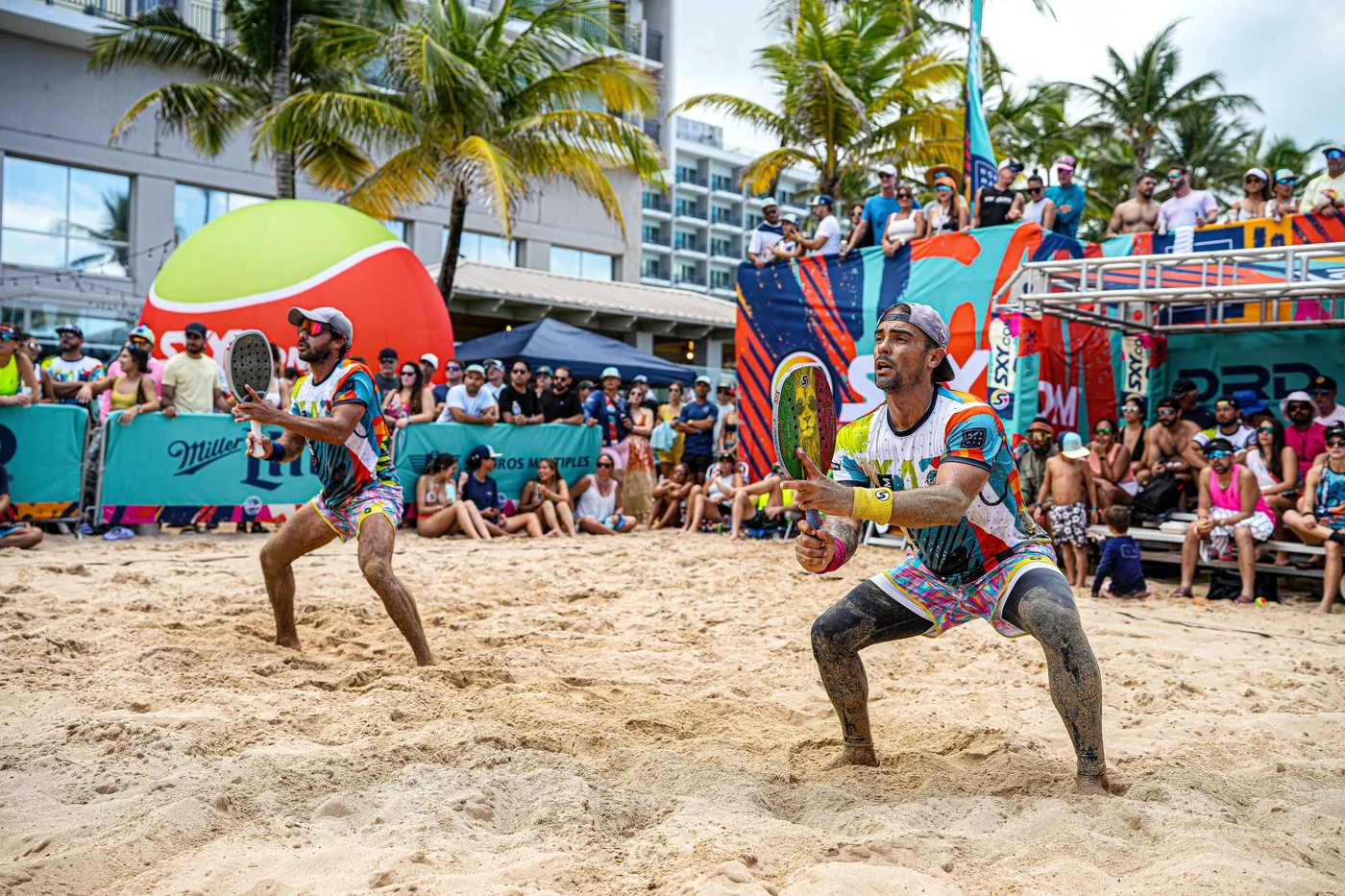
Balls, grips, bags, and court-setup hubs
These pages cover the setup pieces that decide how your paddle actually plays: ball pressure and speed, handle security in heat, what fits in your bag, and building a court anywhere there's sand.
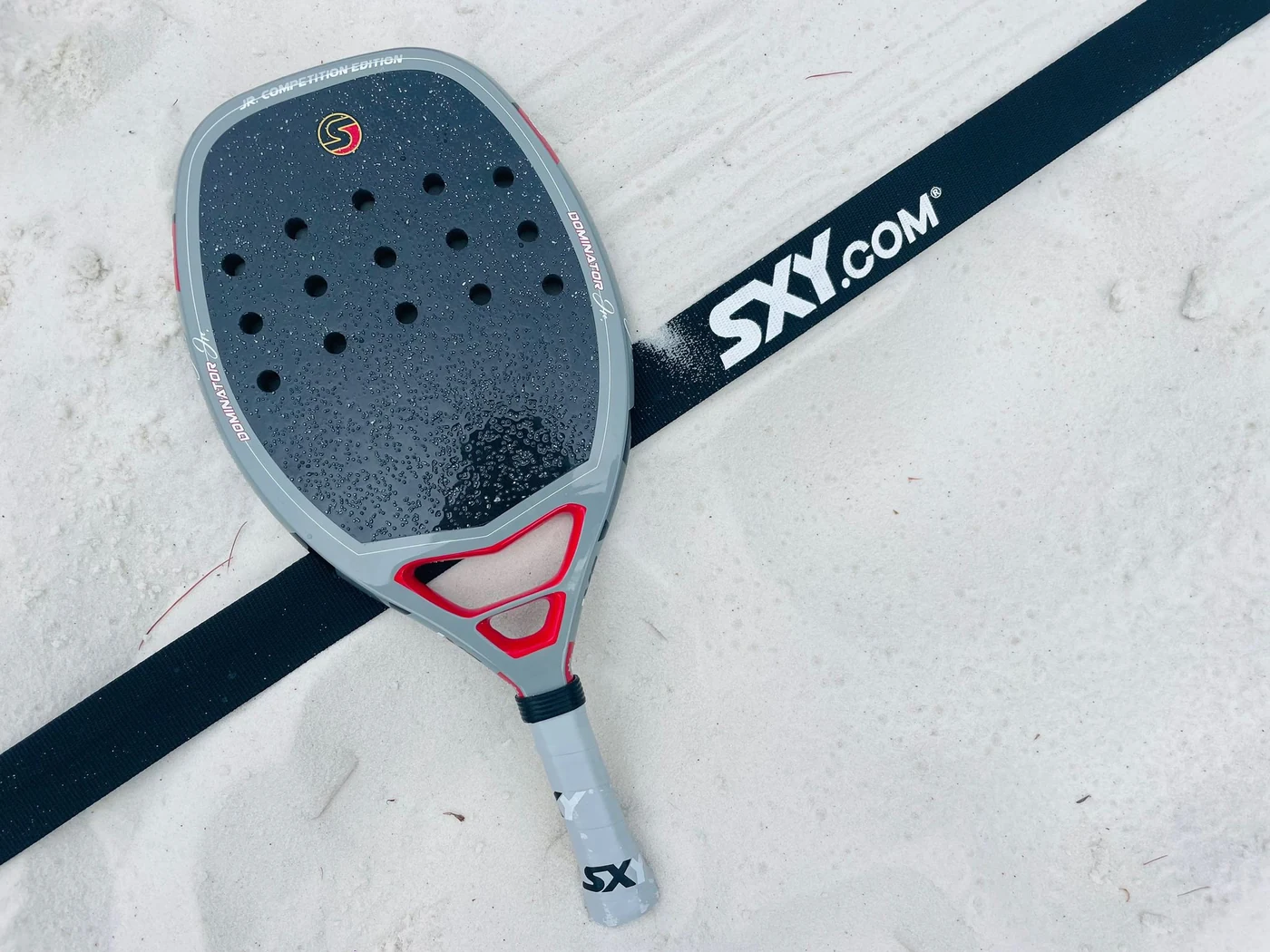
Paddle specs explained in plain match language
These guides connect carbon vs fiberglass, weight and balance, hole patterns, ball speed, grip wear, and beginner mistakes to what you actually feel in rallies on sand.
Beach tennis paddle materials explained
Most beginners should start with carbon/fiberglass blends. Full carbon and kevlar frames reward clean timing but punish late contact.
Weight & balancePaddle weight and balance explained
Ultralight frames help fast hands at the net. Heavier balance helps smash leverage. Mid-weight is the safest place for improving all-court players.
Soft vs hard EVA foamSoft core vs hard core paddles
Soft EVA helps comfort, control, and easy depth. Harder cores feel more precise for fast swings but are less forgiving for newer players.
Playing in windHow wind changes your paddle choice
Windy home beach? Prioritize control and spin over raw pop. Depressurized balls plus a grippy face keep rallies playable in crosswind.
Sweaty handsSweaty hands: how to stop the paddle slipping
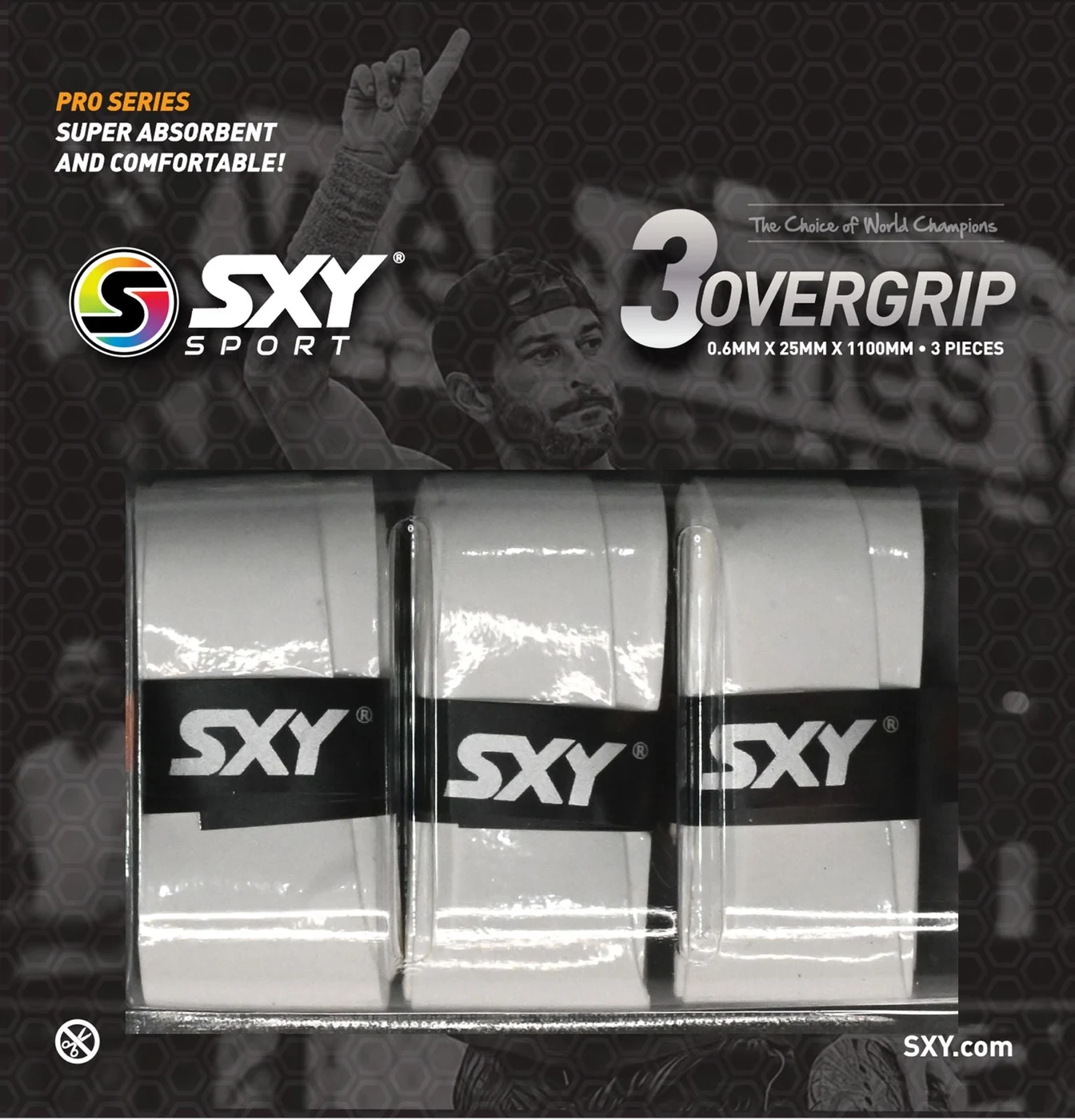
Start with a fresh absorbent overgrip, carry a towel and wristbands, and keep spare grips in the bag — beach heat kills grips faster than any court sport.
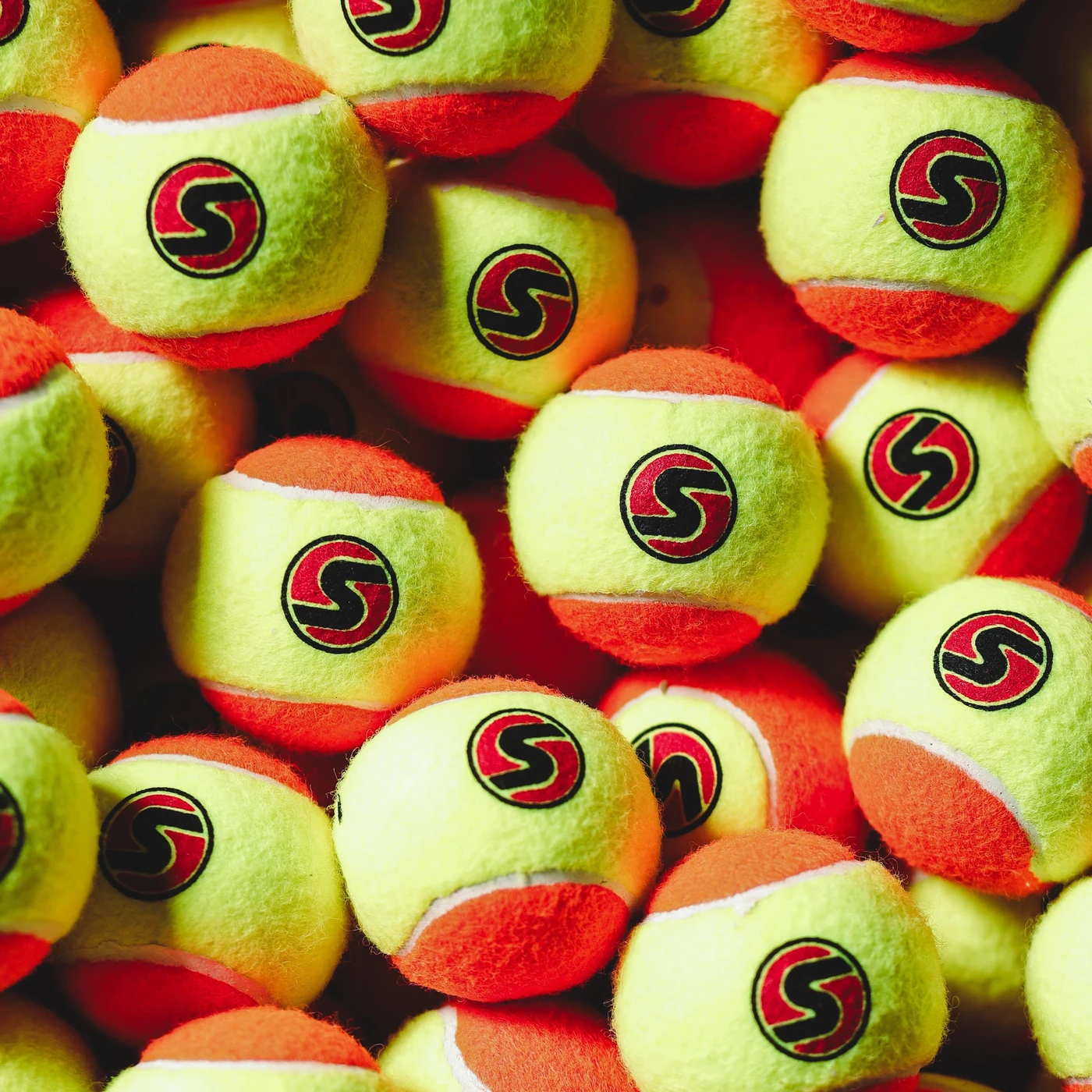
Ball pressure & lifespanHow long do beach tennis balls last?
For serious matches, use a fresh ITF-approved ball. For weekly groups, one ball often lasts two to four sessions before it loses its bite.
Bag setupWhat to keep in a beach tennis bag
Paddle, fresh balls, spare overgrips, water, towel, sunscreen, and wristbands. Regular players should add a change of shirt and backup basics.
Beginner mistakesBeginner paddle mistakes
The biggest beginner mistake is buying a demanding pro paddle too early. Forgiveness, fresh balls, and reps create faster improvement.
Getting startedHow to get started playing beach tennis
Find a local group, borrow a demo paddle for your first sessions, then buy once you know whether you defend or attack by instinct.
Three paddles I would check first
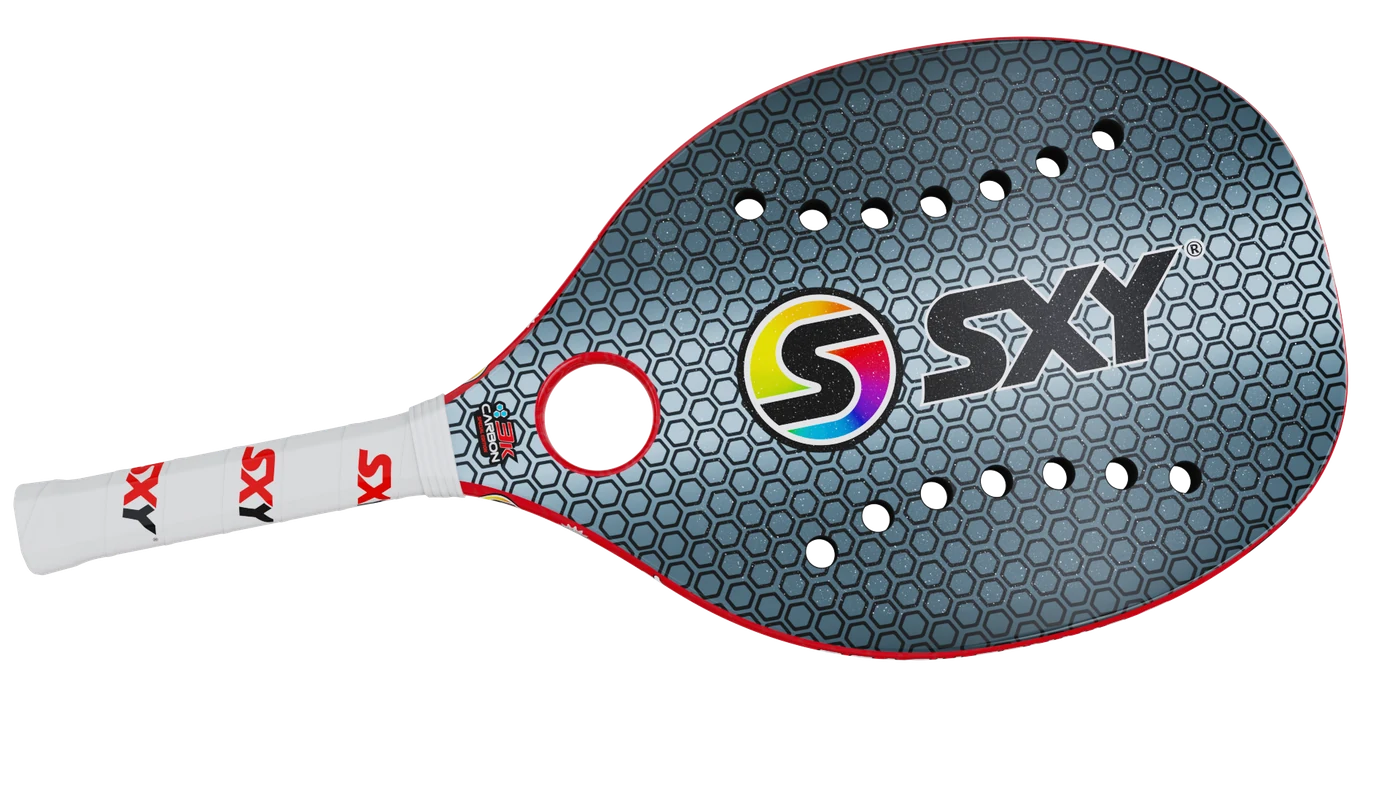
Different players should end up with different paddles. These three cover the most common paths: all-court control value, premium flagship, and beginner value.
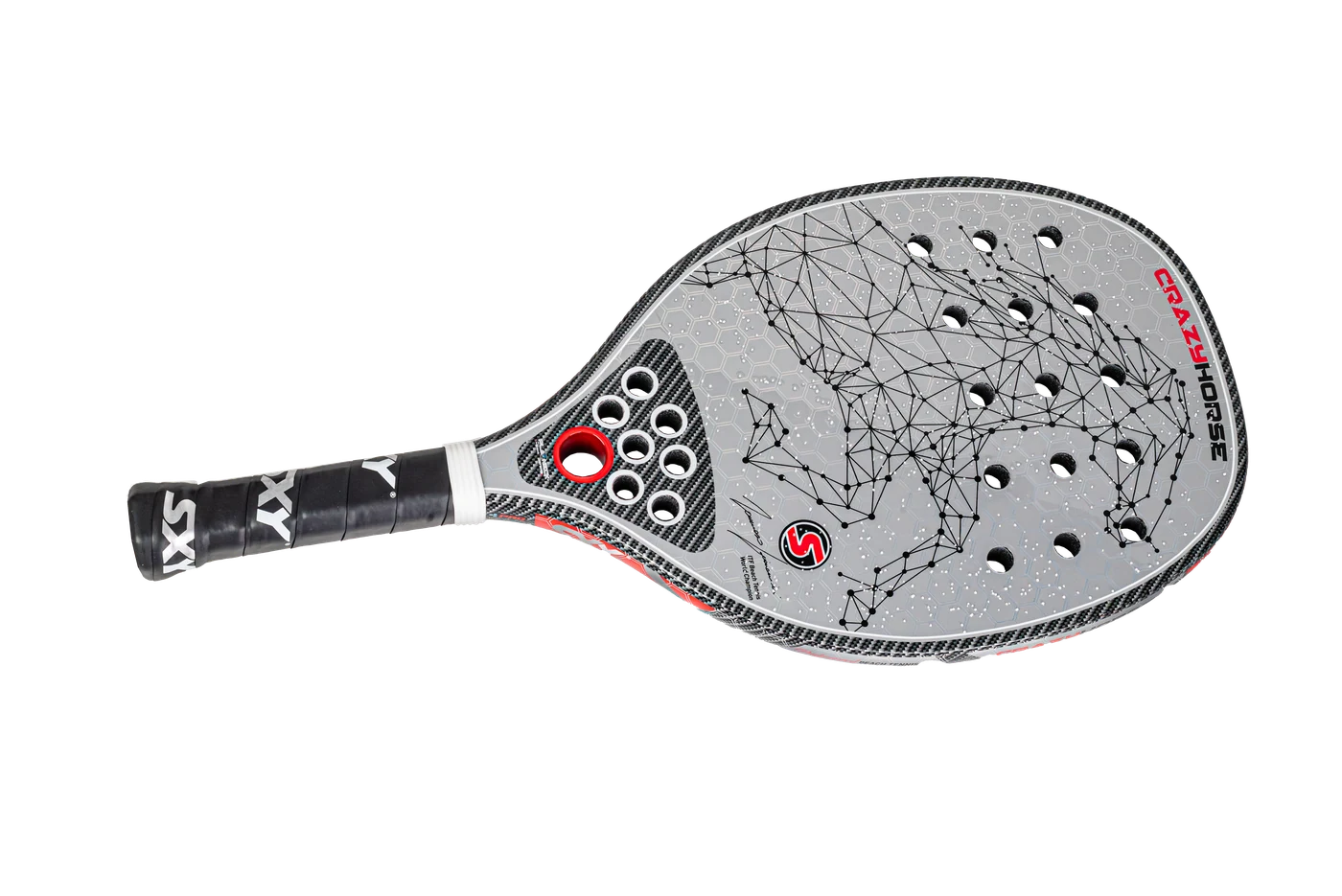
Top paddles at a glance
This quick table is meant to stop choice overload before you open the full comparison pages.
| Paddle | Best For | Rating | Score | Price | Profile (P/C/D) | Denys's Note |
|---|---|---|---|---|---|---|
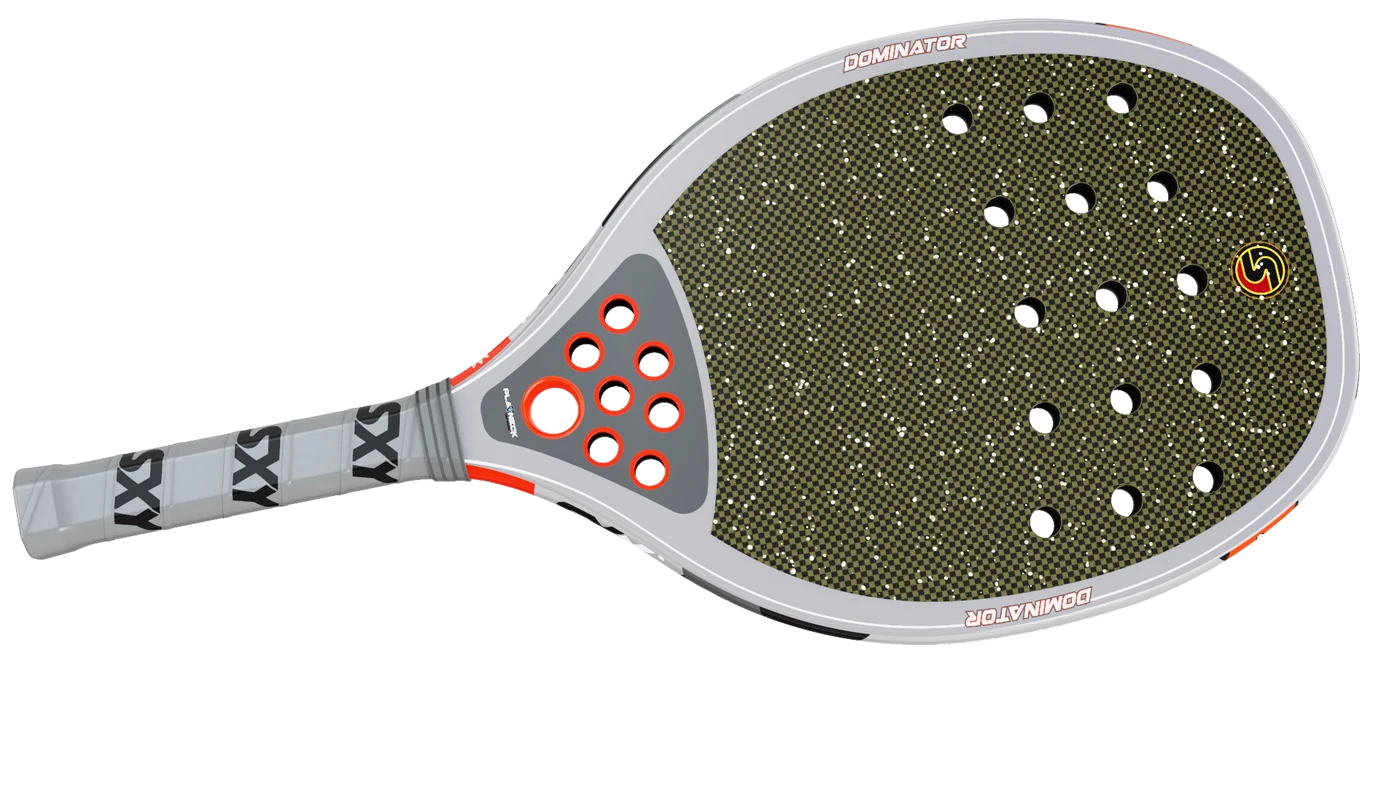
| The Dominator Best all-court value |
Defensive, consistent all-court players | ★★★★★ 4.7 | 9.3/10 | $210 | 6 / 9 / 10 | The safest serious buy in the whole line. |
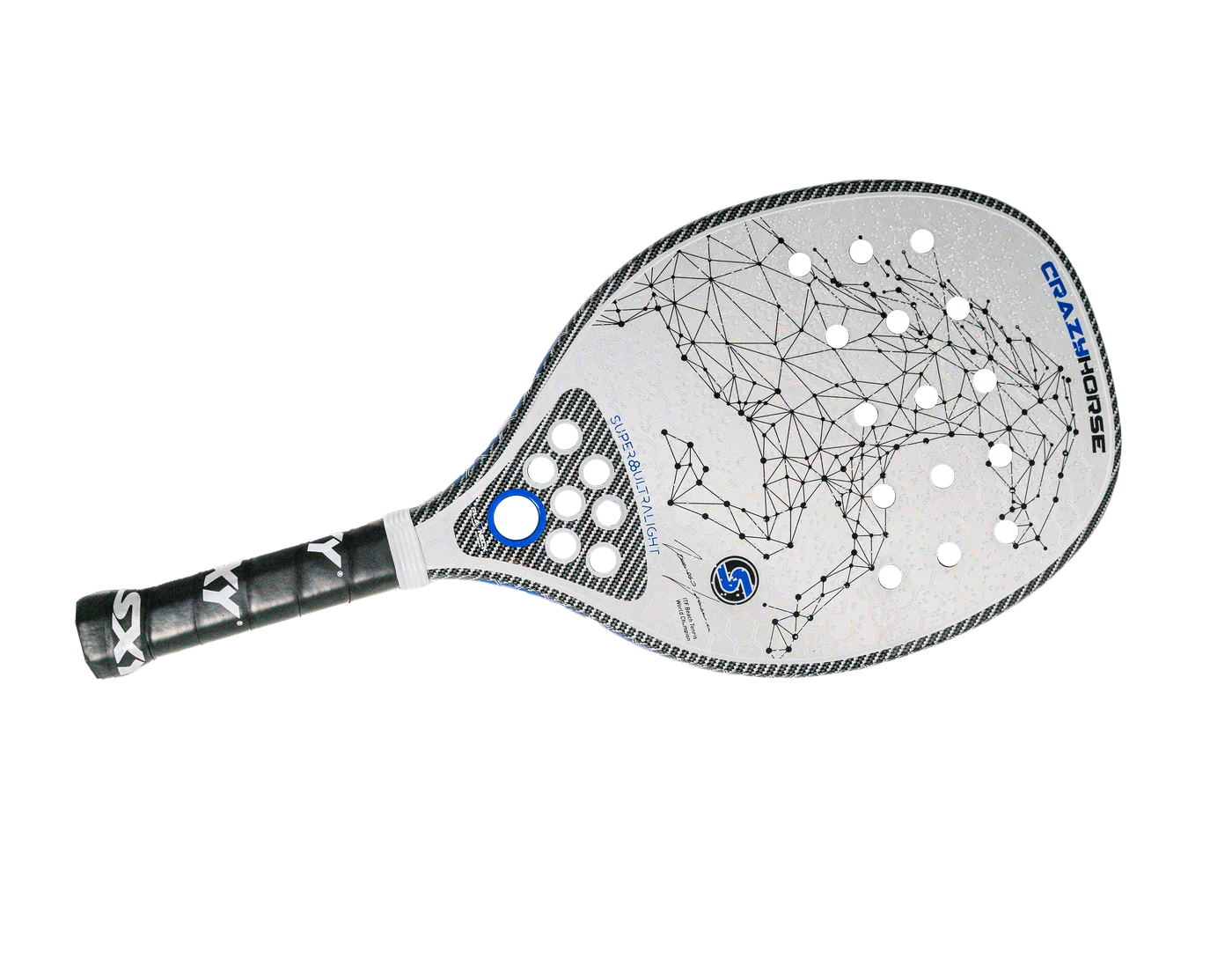
| The Crazy Horse Best premium flagship |
Advanced attackers who finish at the net | ★★★★★ 4.6 | 9.2/10 | $325 | 8 / 9 / 8 | My tournament paddle. Expensive, worth it. |
| SE Crazy Horse Ultra-Light Best control & defense |
Control players who reset rallies and lob well | ★★★★★ 4.6 | 9.1/10 | $275 | 8 / 10 / 10 | The easiest premium frame to move fast at net. |
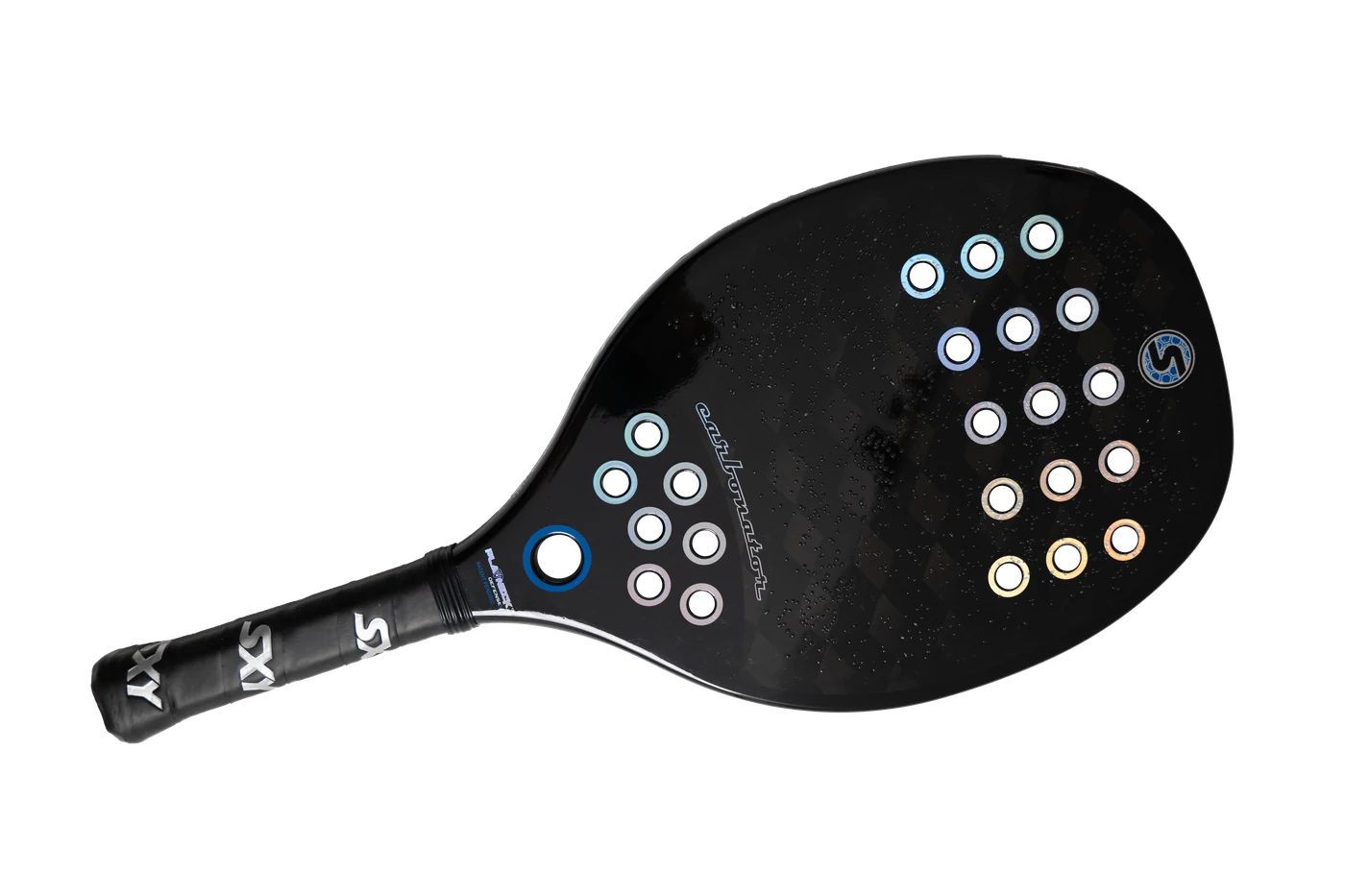
| Carbonator Triaxial Best heavy finishing power |
Aggressive players who step into smashes | ★★★★★ 4.5 | 9.0/10 | $295 | 10 / 7 / 7 | More demanding than the Dominator, more explosive on clean smashes. |
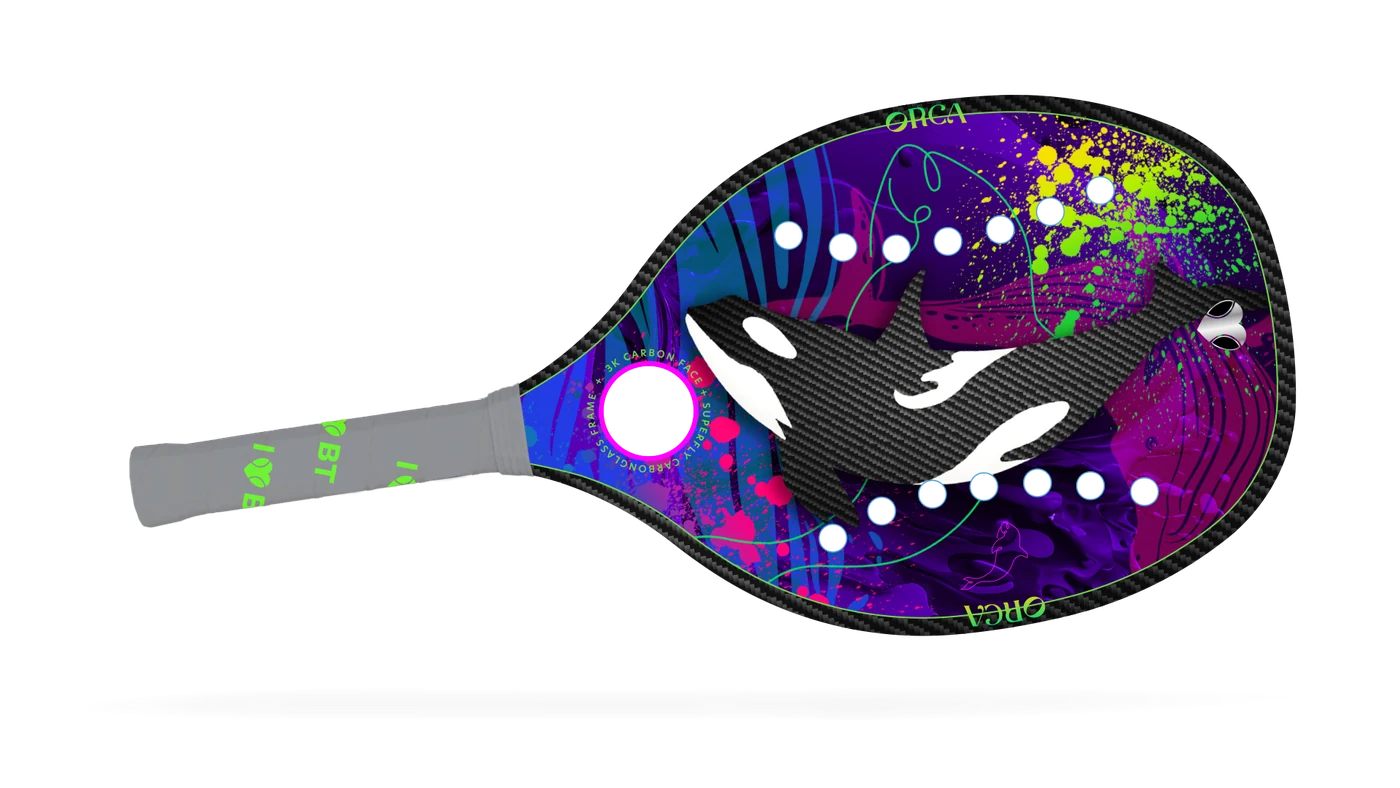
| The ORCA Best ultralight value |
Players who grind long rallies and long days | ★★★★☆ 4.4 | 8.8/10 | $149 | 6 / 8 / 9 | Friendlier than the pro frames for defensive players. |
| Carbon Hex GT Best beginner value |
First-paddle buyers under $100 | ★★★★☆ 4.3 | 8.6/10 | $99 | 5 / 8 / 8 | The strongest value pick for new players. |
Tools built for faster buying decisions
Use these before buying if you are stuck between playing styles, paddle profiles, or setup budgets.
Paddle Finder Quiz
Answer a few match-style questions and get a paddle direction before reading individual reviews.
- Your level and consistency under pressure
- Whether you win with control, power, or all-court patterns
Paddle Comparison Engine
Use this when you already have two or three paddles in mind and need a clearer side-by-side view.
- Power, control, and defense scores
- Weight class and price trade-offs
Beginner Setup Builder
A first setup should remove excuses. Build a practical kit for your first months of matches.
- Paddle, balls, grips, and bag basics
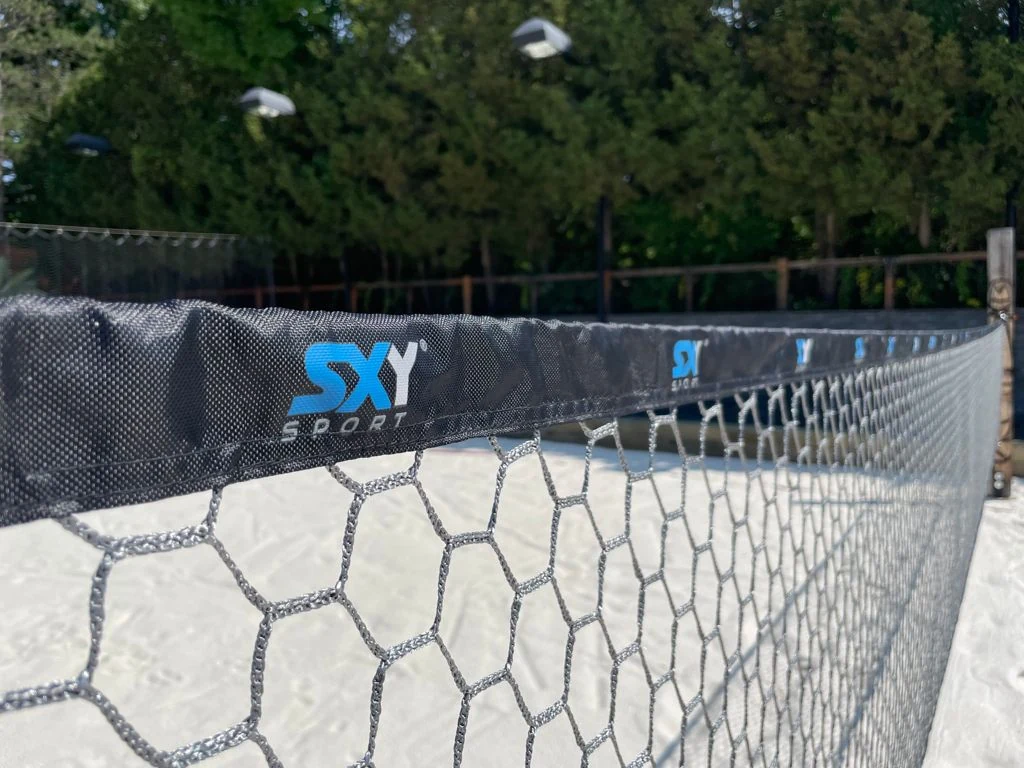
- Whether a portable net makes sense for your beach